
What does a fire risk assessment do?
A fire risk assessment considers the premises, the people using them and the precautions and management arrangements in place. Its output is a report with priority-rated actions for the Responsible Person. It is concerned with risk in the building being assessed, rather than being a substitute for an explanation of the building’s design.
RiSKFiX reviews building plans, occupancy and management arrangements, fire hazards, escape routes, emergency lighting, signage, detection and alarm, fire-fighting equipment and any suppression, fire doors, compartmentation, external walls and other passive fire protection, and the testing, maintenance and training records. Photographs support the findings. The Responsible Person uses the assessment to consider the actions identified and keeps it under review as circumstances change.
What does a fire strategy explain?
A fire strategy explains the evacuation strategy, means of escape, compartmentation and structural fire protection, fire detection and alarm, smoke control, access and facilities for firefighters, and the management arrangements the design relies on. It brings the design approach together so the people designing and managing the building can understand how these elements are intended to work with one another.
It is usually produced for building design under Approved Document B (2019 edition incorporating 2026 amendments), BS 9999:2017 or BS 9991:2024, or through a fire engineering approach using BS 7974:2019. These are design references, not a reason to assume that an assessment and a strategy are the same document. Different legislation applies in Scotland and Northern Ireland, and our work follows it.
How do the documents compare side by side?
The distinction is one of purpose as well as content. Ask which question your commission needs to answer: what risks need action, how the fire safety design works, or both. Avoid requesting a generic fire report without explaining the problem you need it to address.
| Question | Fire risk assessment | Fire strategy |
|---|---|---|
| What is its purpose? | Assess risk and identify priority-rated actions. | Explain the fire safety design and how its elements work together. |
| Who uses it? | The Responsible Person and those managing actions. | Designers, the Responsible Person and those managing the building. |
| When is it produced? | For the premises being assessed, then reviewed as needed. | Usually during design; retrospectively if an existing building has none. |
| What does it contain? | Findings, evidence and a priority-rated action plan. | The design approach, supported by written explanations and drawings. |
| Does it replace the other? | No. It is not a substitute for a design explanation. | No. It does not replace assessment of risk. |
How do the assessment and strategy work together?
The strategy provides context for understanding the intended fire safety arrangements. The assessment considers risk and the arrangements found at the premises. Supplying the strategy with the assessment enquiry helps make that context available rather than leaving the Fire Risk Assessor to work without an existing design explanation.
Where the documents appear to give different accounts of the building, identify the discrepancy when scoping further work. It may concern the records, the current arrangements or a question requiring engineering input. Do not silently treat one document as cancelling the other or assume a new title resolves a design question.
What is a retrospective fire strategy?
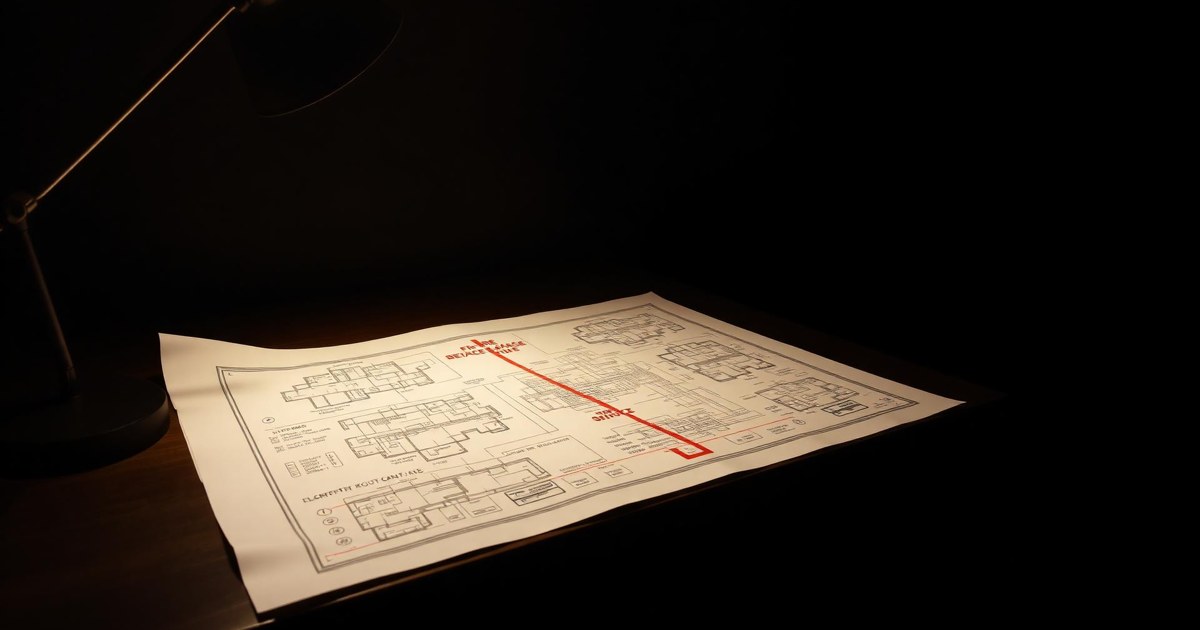
A retrospective fire strategy can be prepared for an existing building that has none. It explains the building’s fire safety design and can include compartmentation plans. It is not simply a renamed assessment, because the purpose remains to explain the design rather than only to list risk-based actions.
For a building completed or altered under the Building Regulations, the fire safety information that Regulation 38 of the Building Regulations 2010 requires to be handed to the Responsible Person on completion is the first place to look; ask for it before commissioning a retrospective strategy. An existing building is not required to meet today’s design guidance. A retrospective strategy records how the building is intended to work and where its arrangements differ from current guidance, so the Fire Risk Assessor can judge the risk rather than treat every difference as a defect. For a higher-risk building under the Building Safety Act 2022, the strategy also underpins the safety case report the Accountable Person must keep. Existing drawings, operation and maintenance information, prior assessments and discussions with stakeholders support the information-gathering stage. RiSKFiX’s strategy service covers occupancy analysis, escape design review, compartmentation, detection, alarm and suppression design review, smoke control and operational arrangements. Tell us what records exist and which parts of the building are causing uncertainty.
Which document should I request for my building?
If you need risks assessed and actions prioritised, discuss a fire risk assessment. If you need the building’s fire safety design explained, discuss a fire strategy. Many buildings need both for different purposes, and an existing assessment can help explain why a strategy enquiry has arisen.
This is general information, not legal advice. The Responsible Person should take advice on their own situation.